Debunking 3 Common Myths About Modern Physical Therapy Services
Physical therapy can help people recover from injuries, manage pain, improve mobility, and return to activities they enjoy. However, misconceptions about treatment can prevent people from seeking care or create unrealistic expectations about rehabilitation. Some people assume therapy is only necessary after surgery, while others believe it consists primarily of repetitive exercises.
Modern physical therapy takes an individualized approach. Treatment may include hands-on techniques, therapeutic exercises, movement assessments, education, and specialized rehabilitation programs. Understanding what care actually involves can help patients approach treatment with realistic expectations and recognize how rehabilitation can support their specific goals. It can also help patients understand that treatment is often an active process requiring communication, participation, and gradual progress.
Myth 1: Physical Therapy Is Only for Serious Injuries
Therapy Is Not Limited to Major Injuries
One common misconception is that physical therapy is reserved for people recovering from major accidents, surgeries, or severe athletic injuries. In reality, physical therapy services can address many concerns, including pain, mobility limitations, balance problems, workplace-related conditions, and sports injuries. A professional evaluation can help determine whether rehabilitation may benefit someone who is experiencing persistent physical difficulties.
Physical therapists evaluate a patient's abilities, symptoms, limitations, and goals before developing a treatment approach. For athletes, that may involve examining movement mechanics, strength, coordination, muscle imbalances, and sport-specific demands. Other patients may need treatment focused on improving balance, restoring comfortable movement, or rebuilding strength. This evaluation also allows patients to discuss their daily activities and identify specific tasks they want to perform more comfortably.
Early Care Can Address Physical Limitations
Another misconception is that people should simply wait for an injury or painful condition to resolve on its own. While some minor problems may improve with time, persistent pain, weakness, stiffness, or mobility changes can interfere with everyday activities. Physical therapy services can provide professional guidance while helping patients better understand the factors affecting their physical function.
Education is an important part of rehabilitation. Patients can learn how certain movements, exercises, and habits may affect their recovery, giving them practical information they can use outside scheduled appointments. Treatment can therefore involve more than addressing immediate symptoms. Patients may also learn strategies for modifying activities, progressing exercises appropriately, and recognizing changes that may warrant additional professional attention.
Treatment Can Support Long-Term Physical Health
Rehabilitation may also address factors that support continued physical function. Therapists can work with patients on strength, flexibility, movement patterns, balance, and other skills that contribute to physical health. Athletes may receive sport-specific training that prepares them for the movements and demands associated with their activities.
This broader approach can help patients develop skills they can continue using after formal treatment ends. Strengthening exercises, flexibility work, proper warm-up techniques, and movement education can all contribute to maintaining physical function and supporting continued activity. These strategies may be especially useful for patients who want to remain active while reducing avoidable physical limitations.
Myth 2: Physical Therapy Is the Same for Everyone
Individual Assessments Guide Treatment
A second common myth is that every patient receives the same exercises and follows an identical rehabilitation program. In practice, physical therapy services are designed around each person's condition, abilities, symptoms, and goals. Two people with similar diagnoses may still need different treatment approaches based on their physical limitations and recovery progress.
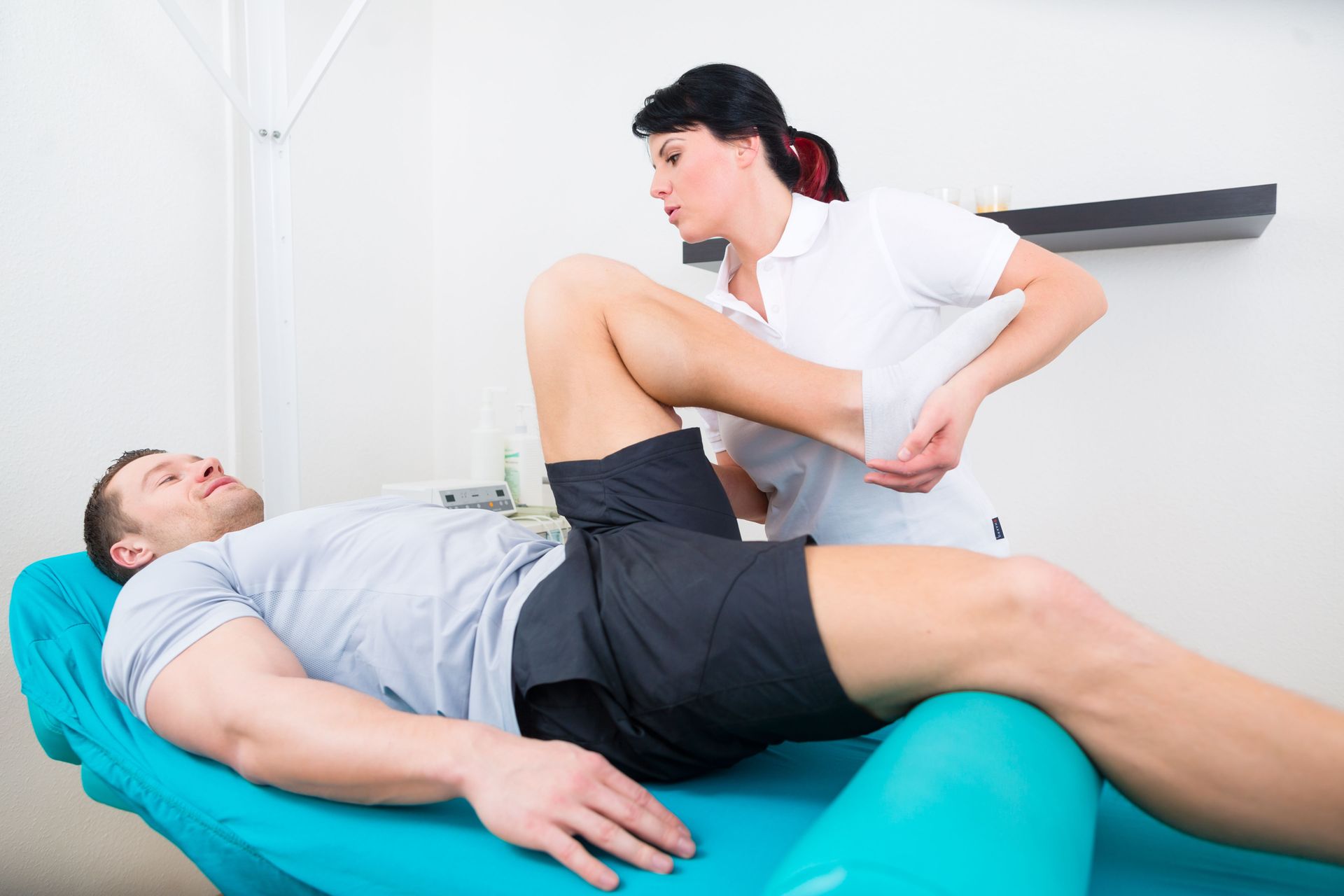
An initial examination helps establish a clearer picture of the patient's needs. Physical therapists can assess strength, flexibility, mobility, balance, coordination, and other relevant abilities. This information helps guide an individualized treatment plan rather than relying on a standardized routine. The plan can then be adjusted as the patient progresses and develops new capabilities.
Treatment Can Include Multiple Approaches
Physical therapy services can incorporate several evidence-based treatment methods depending on the patient's needs. Care may include manual therapy, dry needling, aquatic therapy, exercise-based rehabilitation, balance training, and other appropriate interventions. The specific combination depends on the patient's condition and response to treatment.
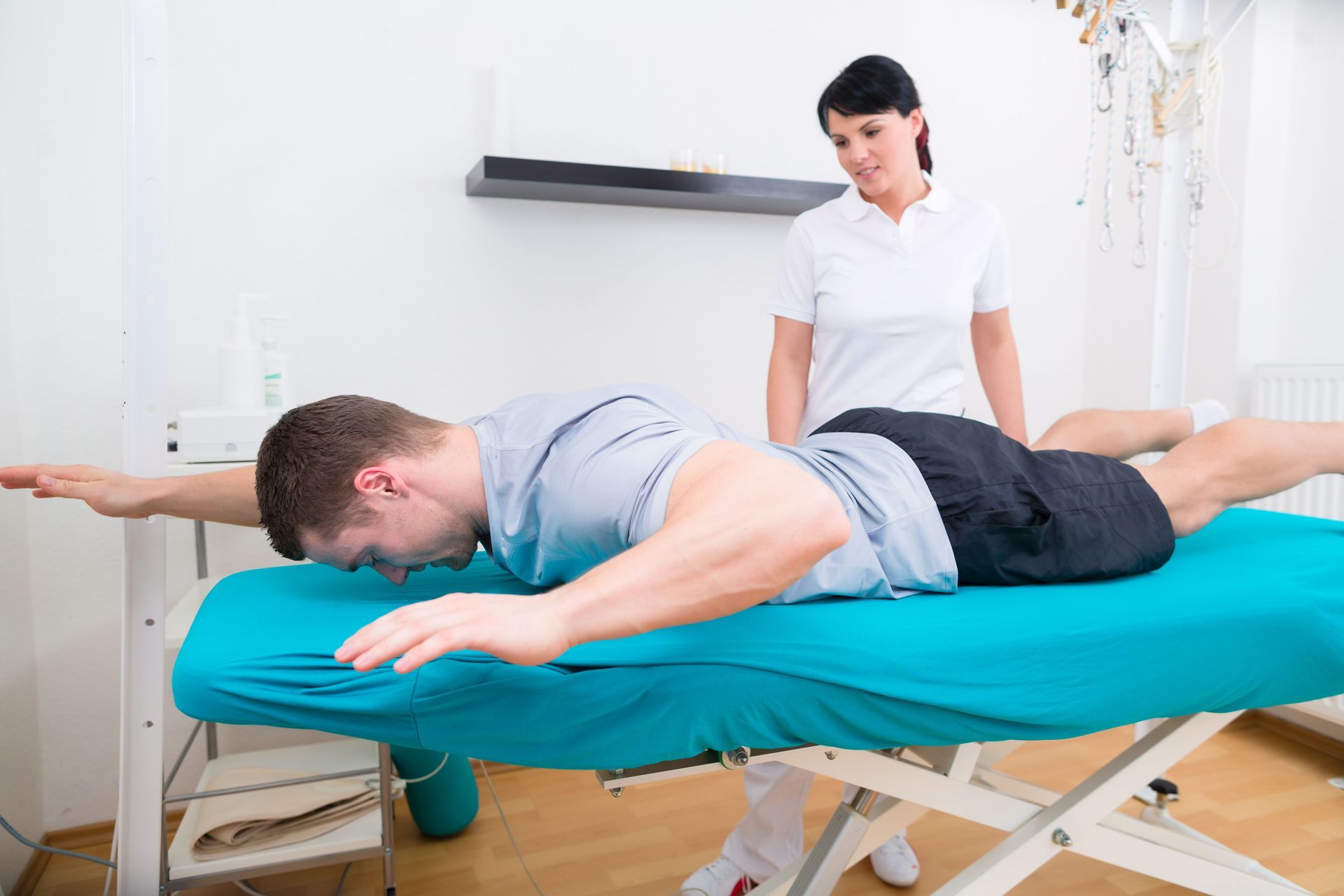
Exercise is often an important component of rehabilitation because progressive strengthening, flexibility, endurance, and movement training can improve physical function. Therapists may also teach patients exercises and techniques they can safely continue at home, allowing them to remain involved in their recovery between appointments. Combining supervised care with appropriate home activities can help reinforce skills and maintain progress between visits.
According to WiFiTalents, patients receiving physical rehabilitation therapy report an average satisfaction rate of approximately 92%. Although individual experiences vary, this figure indicates a high reported level of satisfaction among rehabilitation patients.
Progress Is Monitored Throughout Rehabilitation
Individualized care continues throughout the rehabilitation process. Physical therapists can monitor progress and adjust treatment as symptoms, strength, mobility, and functional abilities change. An exercise that is appropriate early in recovery may later need to become more challenging as the patient improves.
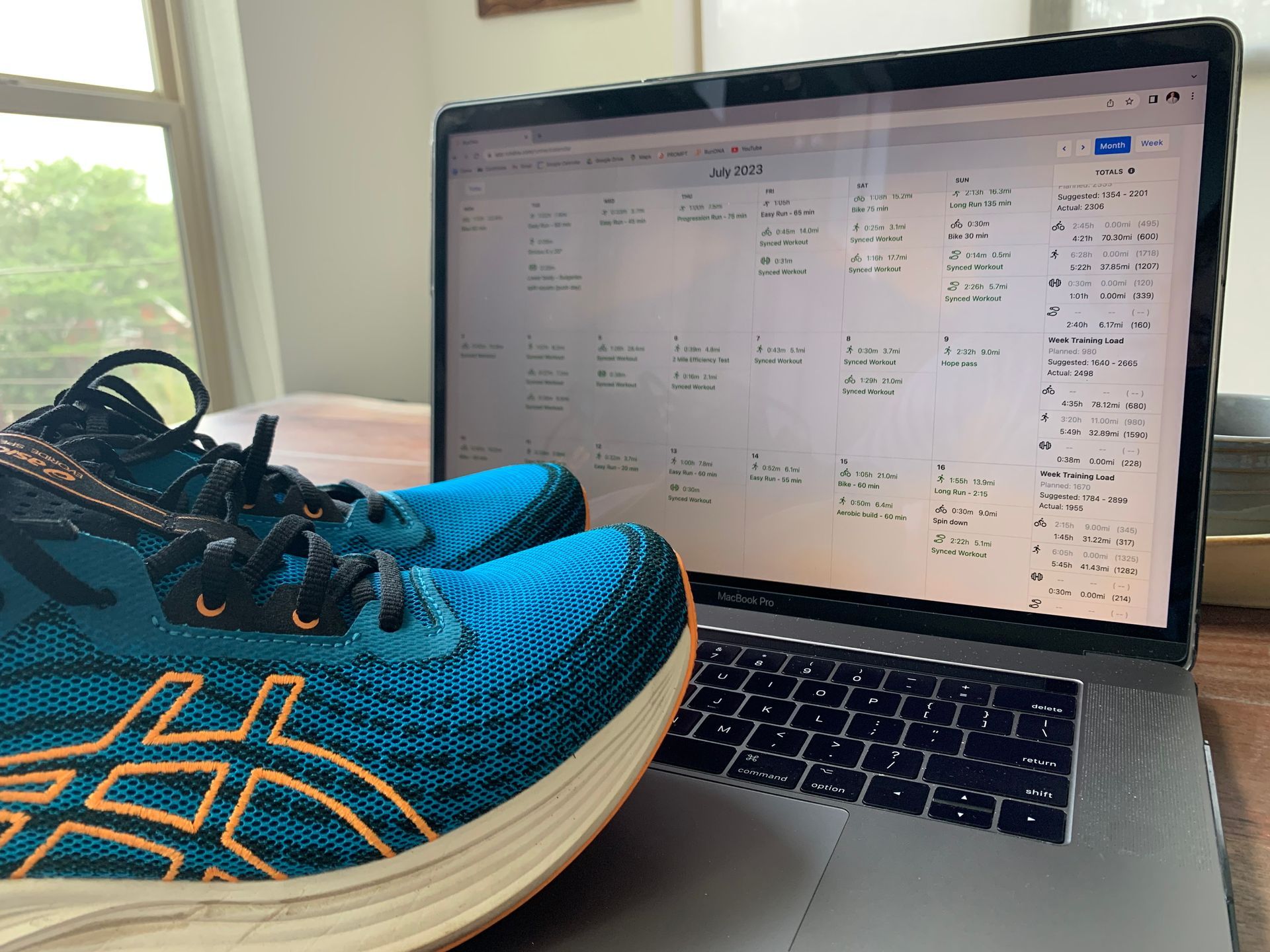
For athletes, gradual progression can be especially important when returning to competition. Feeling less pain does not necessarily mean the body is ready for every movement required by a sport. Sport-specific activities can be reintroduced progressively to help rebuild strength, coordination, endurance, and confidence. This approach can also help therapists identify areas that may still require attention before an athlete resumes full participation.
Myth 3: Physical Therapy Ends When Pain Improves
Recovery Involves More Than Pain Reduction
A third misconception is that rehabilitation is finished as soon as pain decreases. Pain relief can be an important part of recovery, but it may not be the only measure of progress. A patient may still have weakness, reduced flexibility, limited endurance, or movement limitations after discomfort improves.
Physical therapy services can address these broader areas of function. Therapists may use progressive exercises and movement training for the purpose of regaining the physical capabilities needed for work, recreation, sports, or daily activities. For athletes, rehabilitation can gradually introduce movements that replicate the demands of their sport. Addressing these areas can help patients prepare for the activities they want to resume rather than focusing exclusively on whether symptoms have decreased.
Preventing Recurring Injury Is Part of Rehabilitation
Rehabilitation can also include strategies designed to reduce the likelihood of future problems. Therapists may educate patients about proper movement patterns, strengthening exercises, flexibility, warm-up routines, and other techniques that support safer physical activity. Identifying factors that contributed to an injury can also help patients understand how to approach future activities.
For athletes, this may involve examining movement inefficiencies, muscle imbalances, or other contributing factors. Sport-specific training can address these areas while gradually increasing the demands placed on the body. Prevention strategies can also benefit people returning to work, exercise, recreation, or everyday activities. Learning how to maintain strength and mobility can provide useful support after formal rehabilitation is complete.
A Safe Return Requires Appropriate Progression
Returning to normal activities too quickly can create challenges, particularly after an injury or surgical procedure. Even when symptoms have improved, the body may need additional time to rebuild strength, coordination, endurance, and tolerance for demanding movements. Physical therapy services can help establish appropriate milestones based on each patient's condition and goals.
For an athlete, those milestones may involve progressively more demanding sport-specific movements. For another patient, they may involve walking longer distances, returning to work, or completing everyday activities without difficulty. This gradual approach helps patients build physical capacity while monitoring how their bodies respond. It can also provide a more structured path toward resuming activities at an appropriate level.
Misconceptions about physical therapy can make rehabilitation seem narrower than it actually is. Treatment is not limited to severe injuries, standardized routines, or short-term pain relief. Instead, care can be individualized according to a person's physical abilities, limitations, activities, and goals.
Physical therapy services can support recovery while emphasizing strength, mobility, movement quality, injury prevention, and a safe return to meaningful activities. Understanding these aspects of rehabilitation can help patients develop realistic expectations and recognize when professional guidance may be appropriate. Contact Roberts Physical Therapy today to create a personalized treatment plan for your recovery and mobility goals.





Share On: