
5 Types of Physical Therapy Treatments
Physical therapy helps people address pain, limited mobility, and everyday movement challenges after injuries, surgery, or chronic conditions. Each physical therapy session is tailored to individual needs and recovery goals, using appropriate exercises, hands-on techniques, or movement training to support improved function, comfort, and independence in daily activities.
1. Therapeutic Exercise for Strength and Mobility
Therapeutic exercise is a central component of many physical therapy plans. These exercises are selected to address limitations in strength, flexibility, balance, coordination, or endurance. A therapist considers the patient's current abilities and goals before determining which movements may be appropriate and how the program should progress.
Strengthening exercises can help improve the muscles that support joints and contribute to everyday movement. For example, someone recovering from a knee injury may need to rebuild strength for walking, standing, and climbing stairs. A person experiencing reduced shoulder mobility may benefit from a different exercise program designed around reaching, lifting, and other upper-body movements. The selection and progression of exercises depend on the condition being treated and the patient's response.
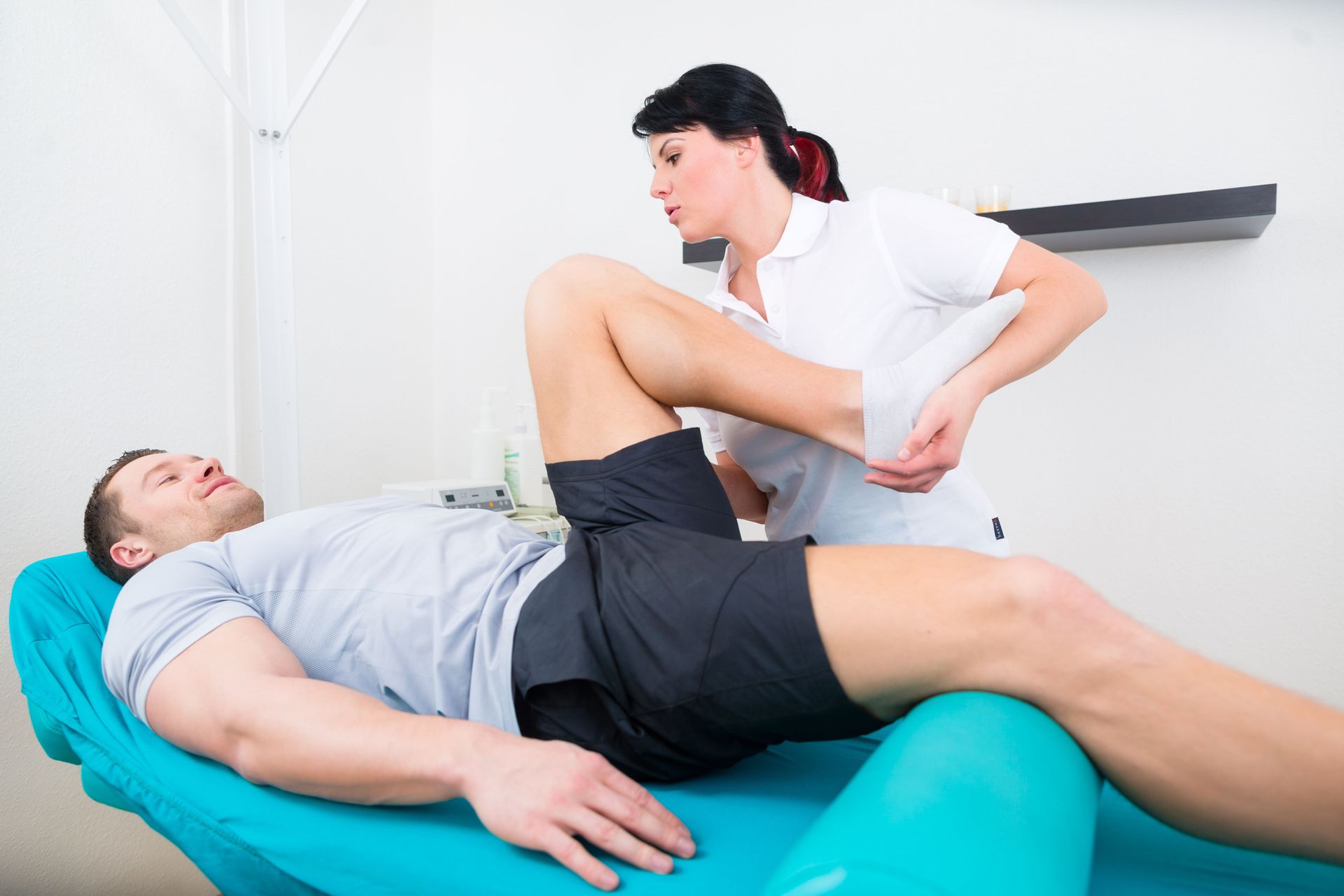
Flexibility and range-of-motion exercises may also help people who experience stiffness after an injury, surgery, or period of reduced activity. Improving joint movement can make daily tasks more manageable, although progress varies with the underlying condition and other individual factors. Therapists can adjust the intensity, repetitions, and type of exercise as a patient's abilities change.
During a physical therapy session, therapists demonstrate movements, monitor technique, and adjust exercises based on discomfort or fatigue. Individualized treatment supports functional goals rather than a standardized routine. Progress takes time, and consistent participation, open communication about symptoms, and appropriate adjustments help patients work toward meaningful improvements in mobility and strength.
2. Manual Therapy for Joint and Soft Tissue Mobility
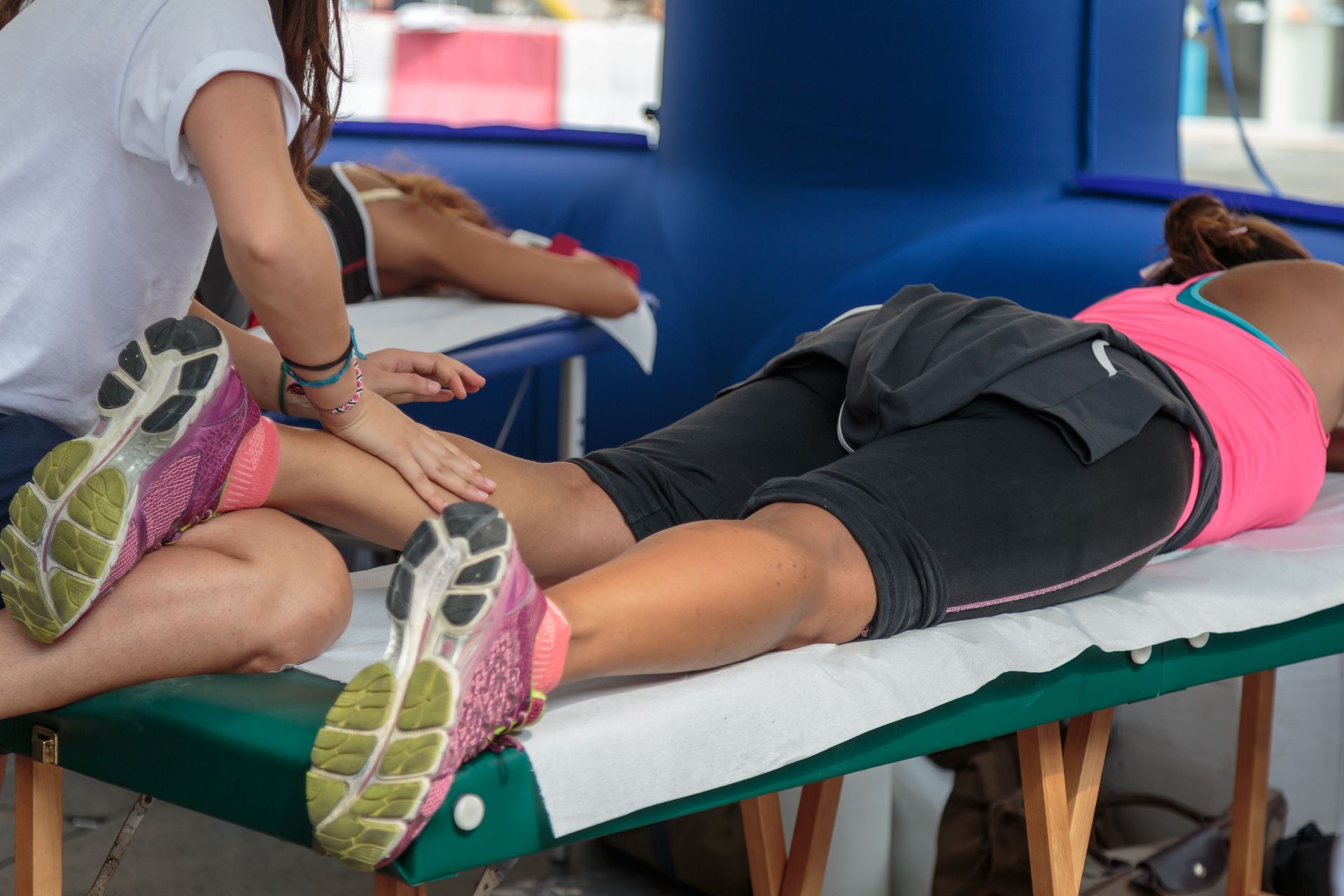
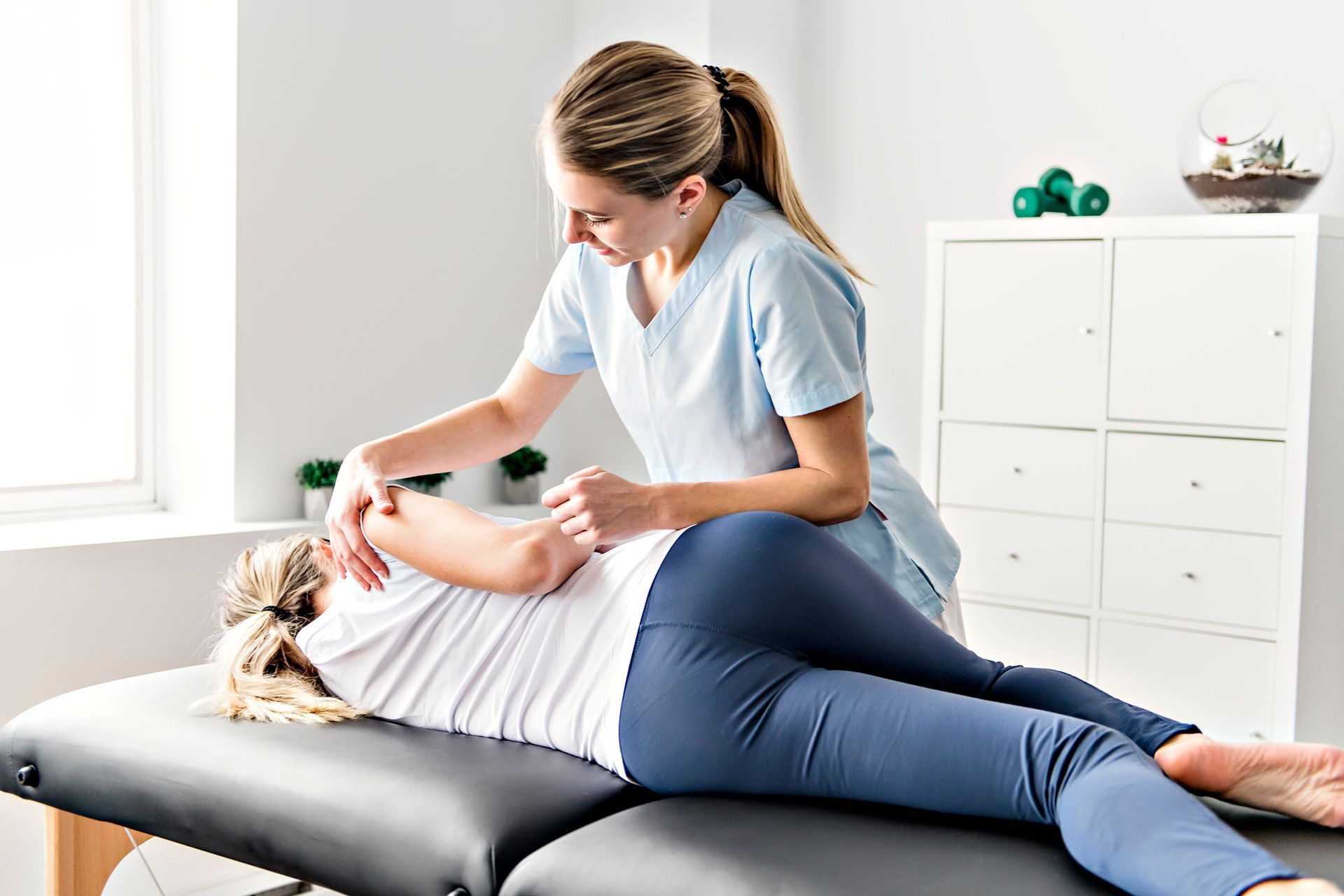
Manual therapy involves hands-on techniques performed by a trained physical therapist to address certain movement restrictions, stiffness, or discomfort. Depending on the patient's needs and clinical assessment, treatment may involve joint mobilization, soft tissue techniques, or other methods intended to improve movement and support rehabilitation.
Joint mobilization uses controlled movements applied to a joint to address stiffness or restricted mobility. Soft tissue techniques focus on muscles and surrounding connective tissues. A therapist may consider these approaches when discomfort or limited movement interferes with daily activities, although their suitability depends on the diagnosis, medical history, and treatment goals.
Manual therapy is not appropriate for every condition or every stage of recovery. A therapist evaluates relevant symptoms, health considerations, and movement limitations before recommending hands-on treatment. Some patients may benefit from combining manual techniques with therapeutic exercises, while others may need a different approach based on their needs.
A physical therapy session that includes manual therapy may begin with an assessment of movement and symptoms. The therapist can explain the purpose of a technique, describe what the patient may experience, and adjust treatment based on feedback. Patients should communicate any unexpected pain, discomfort, or concerns during care.
Manual techniques are generally most useful when they support broader functional goals. For example, improving a restricted movement may make it easier for a patient to participate in strengthening exercises or practice everyday tasks. Treatment plans often combine several approaches rather than relying on hands-on techniques alone.
3. Heat and Cold Therapy for Symptom Management
Heat and cold therapy may be used in rehabilitation to help manage certain symptoms and prepare patients for other forms of treatment. The appropriate method depends on the condition, the patient's medical history, and the goals of care. These approaches are typically considered alongside other interventions rather than as complete treatments on their own.
Heat therapy may help ease muscle stiffness and encourage relaxation in certain circumstances. A therapist might consider heat when tightness limits comfortable movement and warming the area is clinically appropriate. Cold therapy may be used to help manage pain and swelling following some injuries or physical activity. The timing, duration, and suitability of either approach depend on individual circumstances.
These treatments require professional judgment because heat and cold are not suitable for every person. Changes in sensation, circulation concerns, skin conditions, and certain medical conditions can affect whether an application is appropriate. A physical therapist can review relevant health considerations and select an approach that aligns with the patient's needs.
Heat or cold therapy may complement exercises and other rehabilitation activities during a physical therapy session. Therapists monitor responses and adjust treatment as needed. Although these methods may temporarily relieve symptoms, they do not necessarily resolve underlying conditions. Continued assessment helps evaluate progress and determine whether changes to the treatment plan are appropriate.
4. Balance Training for Stability and Coordination
Balance training helps address difficulties with stability, coordination, and controlled movement. It may be beneficial for people recovering from injuries, managing certain neurological conditions, or experiencing changes in balance that affect everyday activities. The exercises selected depend on the patient's abilities, medical history, and risk of falling.
A physical therapist may evaluate posture, walking patterns, lower-body strength, and the ability to maintain stability during different movements. Based on the findings, treatment may focus on controlled weight shifts, coordinated stepping, changes in direction, or other tasks relevant to daily life. The level of challenge can be adjusted as the patient develops greater control.
Balance training can also support confidence with everyday activities. Someone who feels unsteady while walking across uneven ground may need help improving coordination and adapting to changes in surface conditions. Another patient may need to practice movements involved in standing from a chair or navigating steps. Connecting exercises to practical goals helps make treatment relevant to the person's daily routine.
During a physical therapy session, therapists monitor movement, provide support, and adjust balance exercises to match each patient's abilities. Progress depends on individual health factors and the cause of balance difficulties. Regular assessments help track improvements, maintain safety, and guide treatment adjustments while recognizing that training cannot eliminate every fall risk.
5. Gait Training for Safer Walking
Gait training focuses on walking mechanics, coordination, and functional mobility. It may be included in rehabilitation for people recovering from surgery, injury, or illness, as well as those whose medical conditions affect walking. The primary goal is to help patients improve their walking ability in ways that reflect their individual needs and circumstances.
A therapist may assess walking speed, stride length, posture, balance, and how weight moves between the legs. These observations can help identify patterns that affect comfort or stability. Treatment may involve practicing walking movements, improving strength and coordination, or learning to use an appropriate mobility aid when needed.
Gait training is not limited to taking steps in a clinic. Depending on the patient's goals, rehabilitation may address challenges such as turning, negotiating changes in direction, or walking with greater control. The therapist selects activities based on the patient's condition and the movements required for daily life.
Gait training and other physical therapy treatments are tailored to each patient's needs and goals. According to The Good Body, approximately 38,800 physical therapy clinics currently serve patients throughout the United States. An initial evaluation helps therapists assess symptoms, medical history, mobility challenges, and suitable interventions while monitoring progress and adjusting care as needed.
A physical therapy session should support a clear purpose within the overall plan of care. Progress may involve less discomfort, improved range of motion, greater strength, safer walking, or better performance during everyday activities. Results vary, and treatment plans may need to change as abilities and needs evolve.
For people seeking support with mobility, strength, or recovery, Roberts Physical Therapy can help them explore appropriate care options based on their individual needs. Visit Roberts Physical Therapy to learn more about available services and contact the practice to discuss scheduling an appointment.





Share On: